From royal capital to modern European heartbeat
Each stop reveals a different chapter of Prague’s story—layered, resilient, and unexpectedly intimate.
Table of Contents
From early settlement to royal city
Long before the city’s spires became one of Europe’s most recognizable skylines, the area around the Vltava River was already a strategic and human crossroads. Traders moved through these valleys, small settlements formed along defensible ridges, and river crossings slowly shaped the geography of power. By the early medieval period, Prague had become more than a local settlement: it was turning into a political and spiritual center connected to wider Central European networks of commerce, faith, and dynastic ambition.
As the Přemyslid rulers consolidated authority and fortified key hilltops, Prague began its long transformation into a royal city with continental influence. Markets expanded, craft districts multiplied, and churches anchored social life. The origins of today’s pass-worthy landmarks can be traced back to this era, when urban identity was built piece by piece through masonry, ritual, and trade. Even now, as visitors move between attractions with modern digital passes, they are effectively retracing routes first shaped by medieval priorities: control of river access, ceremonial prominence, and the practical need to connect neighborhoods divided by terrain.
Prague Castle and the seat of power
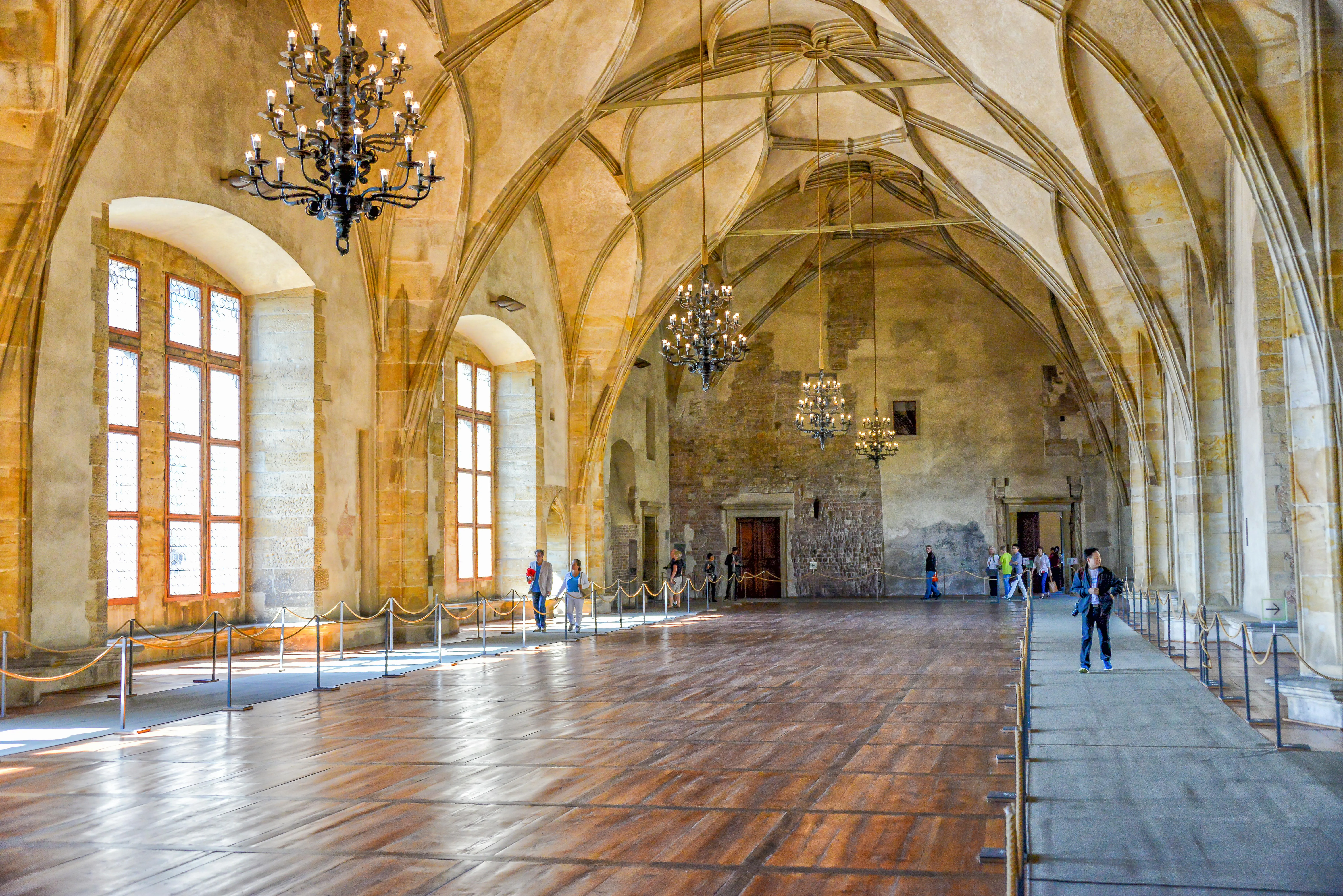
Prague Castle is not just a single monument; it is a layered institutional landscape where religion, monarchy, and statecraft have interacted for centuries. As you pass through its gates, you enter a complex that has served dukes, kings, emperors, and presidents. The soaring vertical lines of St. Vitus Cathedral express both devotion and political ambition, while surrounding palaces, chapels, and administrative buildings reveal how authority adapted from feudal rule to modern governance.
For visitors using a city pass, this district often becomes the emotional anchor of the trip. The transition from busy tram stops to quieter stone courtyards is striking: ceremonial spaces open into intimate corners, and viewpoints suddenly reveal the entire city spread below in red rooftops and church towers. It is easy to feel that Prague’s historical timeline is compressed into one walk—medieval fortification, Renaissance refinement, Baroque additions, and contemporary civic symbolism coexisting in one coherent setting.
Old Town squares, trade and identity
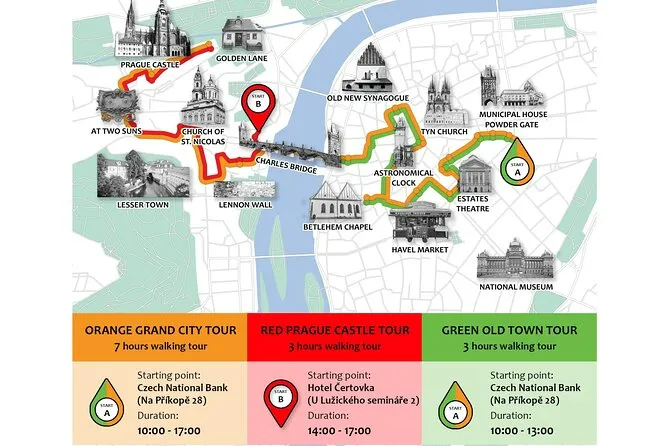
The Old Town developed as Prague’s mercantile and civic heart, where trade, guilds, and municipal authority created a dense urban fabric that still structures the visitor experience today. In and around Old Town Square, commerce was never only economic; it was social theater. Market activity, public announcements, religious processions, and political statements unfolded in the same shared space, making the square a stage where everyday life and high history continuously overlapped.
As you move between landmarks included in many city pass itineraries, look beyond postcard beauty and notice the practical intelligence of the district: narrow lanes designed for movement and defense, mixed-use facades that housed families above workshops, and networked passages connecting trade routes to river crossings. Today’s cafés and boutiques occupy spaces that once hosted medieval merchants and early modern artisans, giving Prague a rare continuity where heritage feels inhabited rather than frozen.
Charles Bridge and river connections
Charles Bridge is both infrastructure and icon: a durable medieval crossing that became one of Europe’s most storied urban passages. Built to replace older river crossings and strengthen connections between key districts, it enabled trade, pilgrimage, administration, and military movement across the Vltava. Over time, statues and towers transformed this practical route into a ceremonial promenade, where spirituality, craftsmanship, and civic pride became materially visible.
For modern travelers, the bridge still functions as Prague’s connective tissue. Crossing it with a city pass itinerary in mind naturally links castle visits, Old Town explorations, and riverside detours. At sunrise, the stonework and skyline can feel almost theatrical; later in the day, musicians, artists, and multilingual conversations create a distinctly contemporary layer. The result is a place where medieval engineering and present-day cultural exchange continue to serve the same purpose: bringing people and stories together.
Baroque beauty and Habsburg legacy
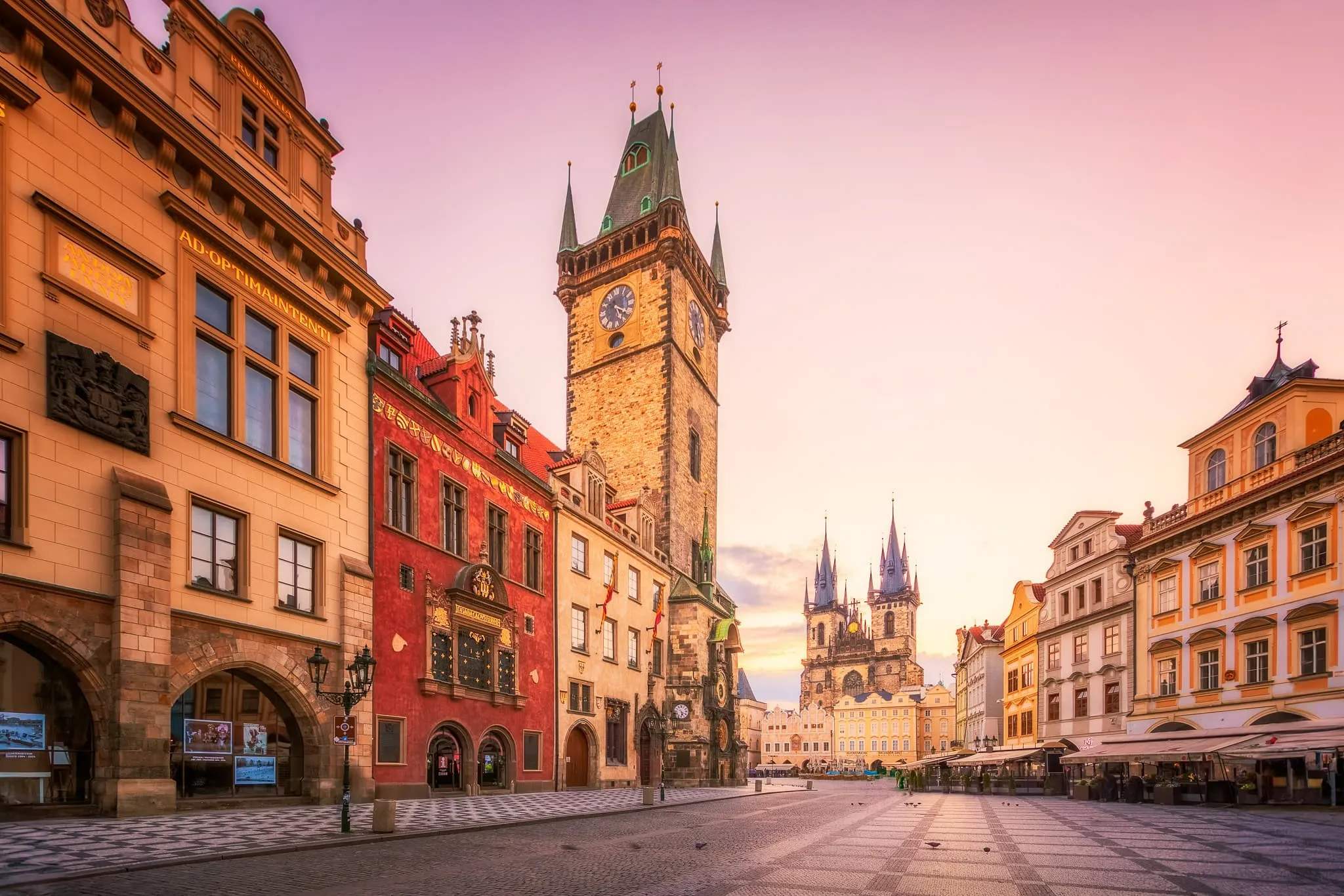
The Baroque era reshaped Prague after periods of religious and political upheaval, leaving behind a cityscape of dramatic domes, expressive facades, and richly ornamented interiors. Under Habsburg influence, architecture became a tool of persuasion and prestige: churches projected theological authority, palaces encoded noble identity, and urban space itself communicated order. Many attractions favored by pass users today owe their visual character to this era’s theatrical confidence.
Yet beneath the grandeur lies an urban continuity that feels surprisingly human in scale. Baroque interventions did not erase older Prague; they layered over Gothic and Romanesque foundations, creating the city’s signature visual dialogue across centuries. This is why a single walk can move from austere medieval stone to exuberant stucco within minutes. For visitors, that contrast is one of Prague’s greatest pleasures—and one reason city-pass itineraries reward slower pacing and close observation.
National revival and modern urban life
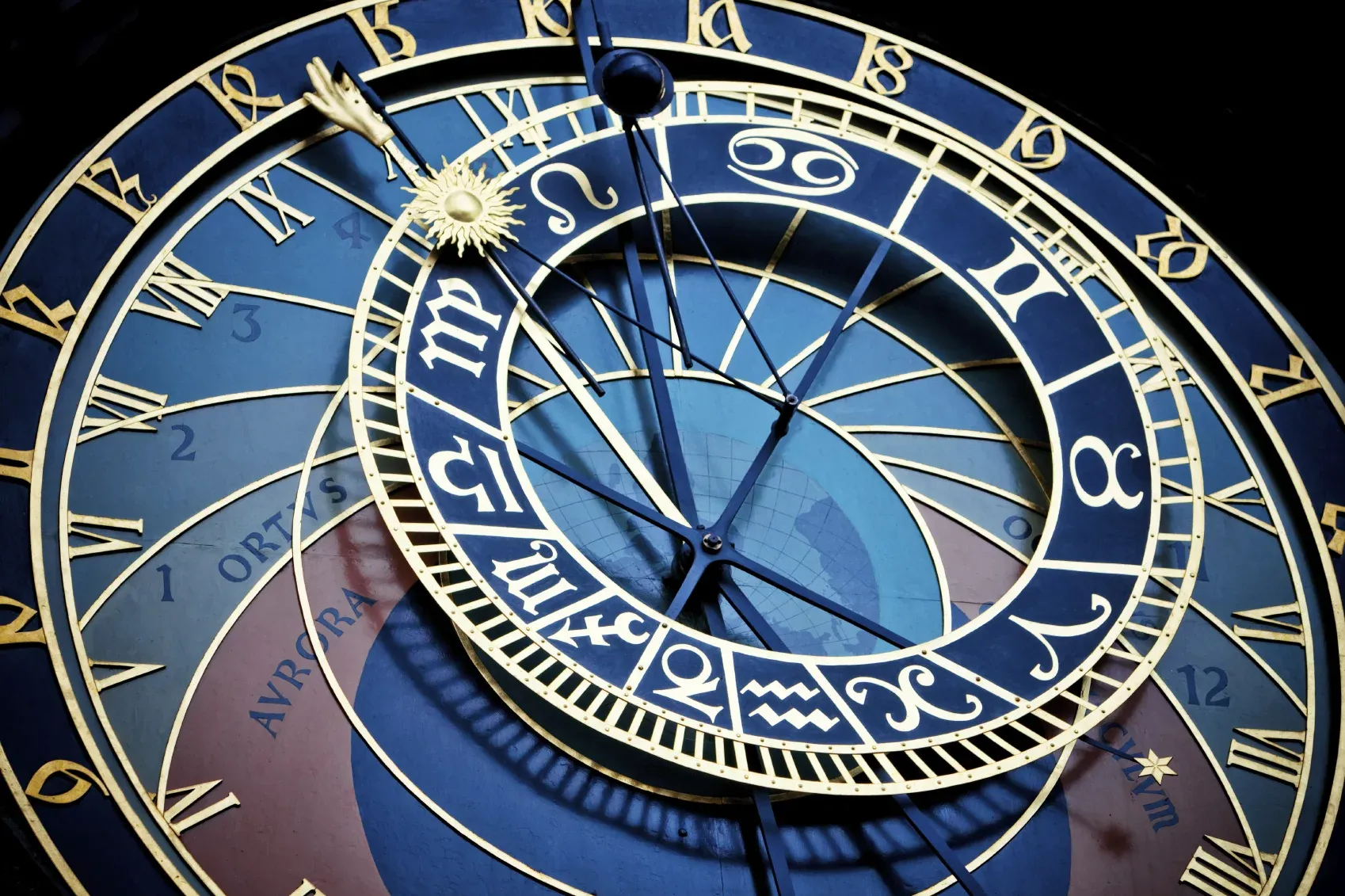
From the 19th century onward, Prague became a focal point of Czech cultural revival, language identity, and intellectual energy. New institutions, theaters, museums, and civic projects helped express a modern national consciousness while still rooted in older urban forms. Districts such as New Town and key boulevards evolved into stages for political gatherings, student movements, and public celebrations that shaped modern Czech society.
Today, this legacy is visible in Prague’s daily rhythm: historic architecture frames contemporary cafés, galleries, design shops, and universities, while public spaces host both commuters and visitors. A city pass itinerary that includes both monumental heritage and modern cultural stops captures this dual identity well. Prague is not a museum city trapped in nostalgia; it is a lived capital where history continues to interact with creative, civic, and entrepreneurial life.
War, resilience and democratic rebirth
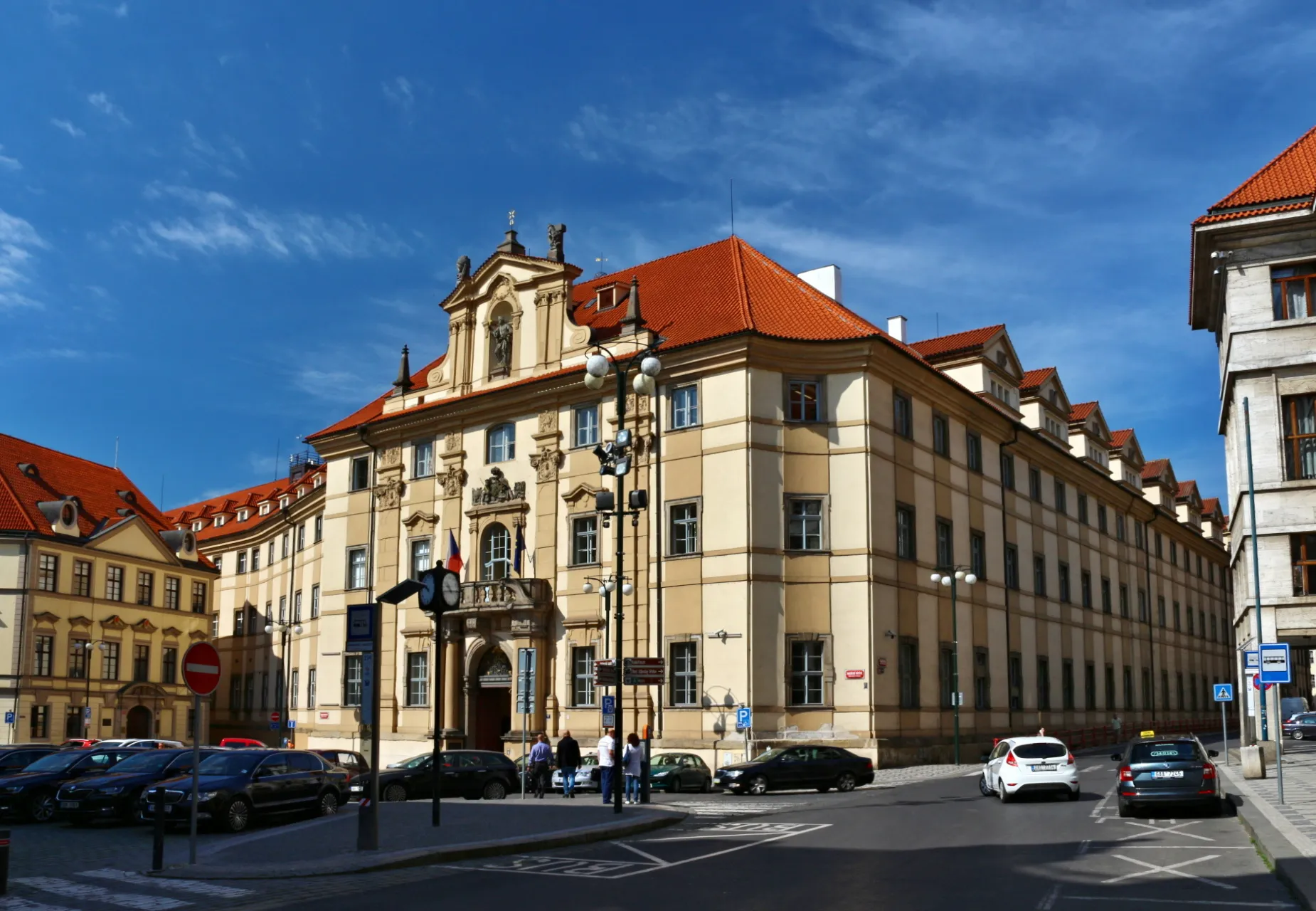
The 20th century tested Prague repeatedly: empire collapse, occupation, authoritarian control, and eventually democratic transition all left marks on institutions and memory. Yet the city’s core neighborhoods remained places where ordinary life persisted—schools opened, trams ran, families gathered, artists worked, and civic language adapted. This resilience is part of what visitors sense today, even when they are simply moving between attractions.
Key sites across Prague silently reference these chapters, from memorial spaces to civic squares associated with protest and renewal. Including them in a city pass itinerary adds emotional depth to a trip that might otherwise focus only on architecture. Prague’s beauty is undeniable, but its historical gravity is equally important: the city teaches how culture can survive turbulence and how public space can become a platform for dignity, courage, and democratic aspiration.
Culture, crowds and practical access
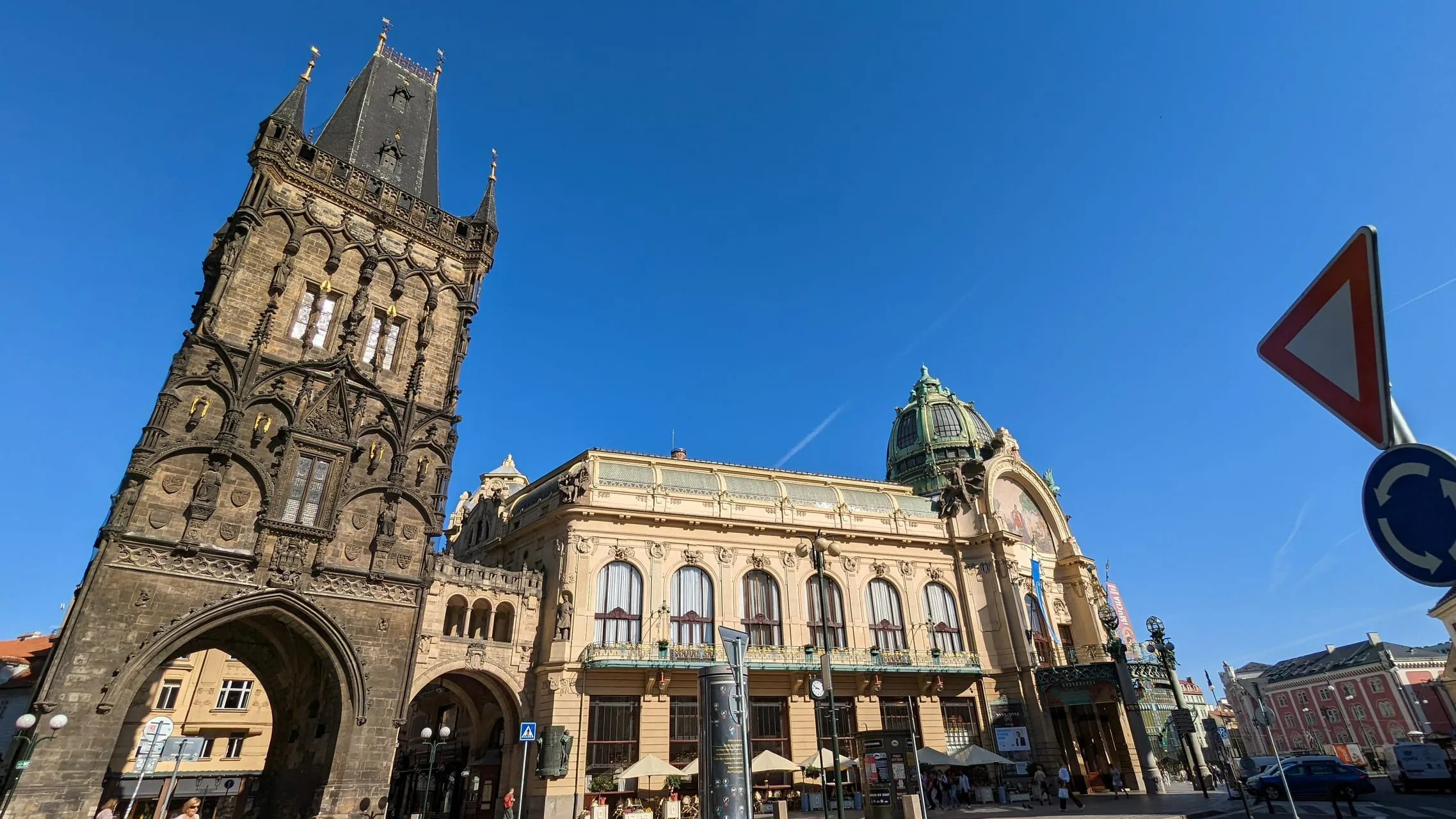
Prague’s popularity is part of its charm, but it also means thoughtful planning matters. Crowds concentrate around Old Town Square, Charles Bridge, and castle entrances during peak midday hours, especially from late spring through early autumn. Using a city pass strategically—starting earlier, grouping nearby sites, and reserving heavier indoor visits for busy periods—can transform your experience from rushed to rewarding.
Accessibility varies by neighborhood and venue. Many major attractions provide support options, yet historic street surfaces, stairs, and heritage-protected entrances can still present challenges. The best approach is to pre-check each priority site, map gentler routes between districts, and keep a flexible daily structure. That way, your itinerary remains inclusive, realistic, and enjoyable without sacrificing the city’s most meaningful highlights.
Festivals, music and local traditions
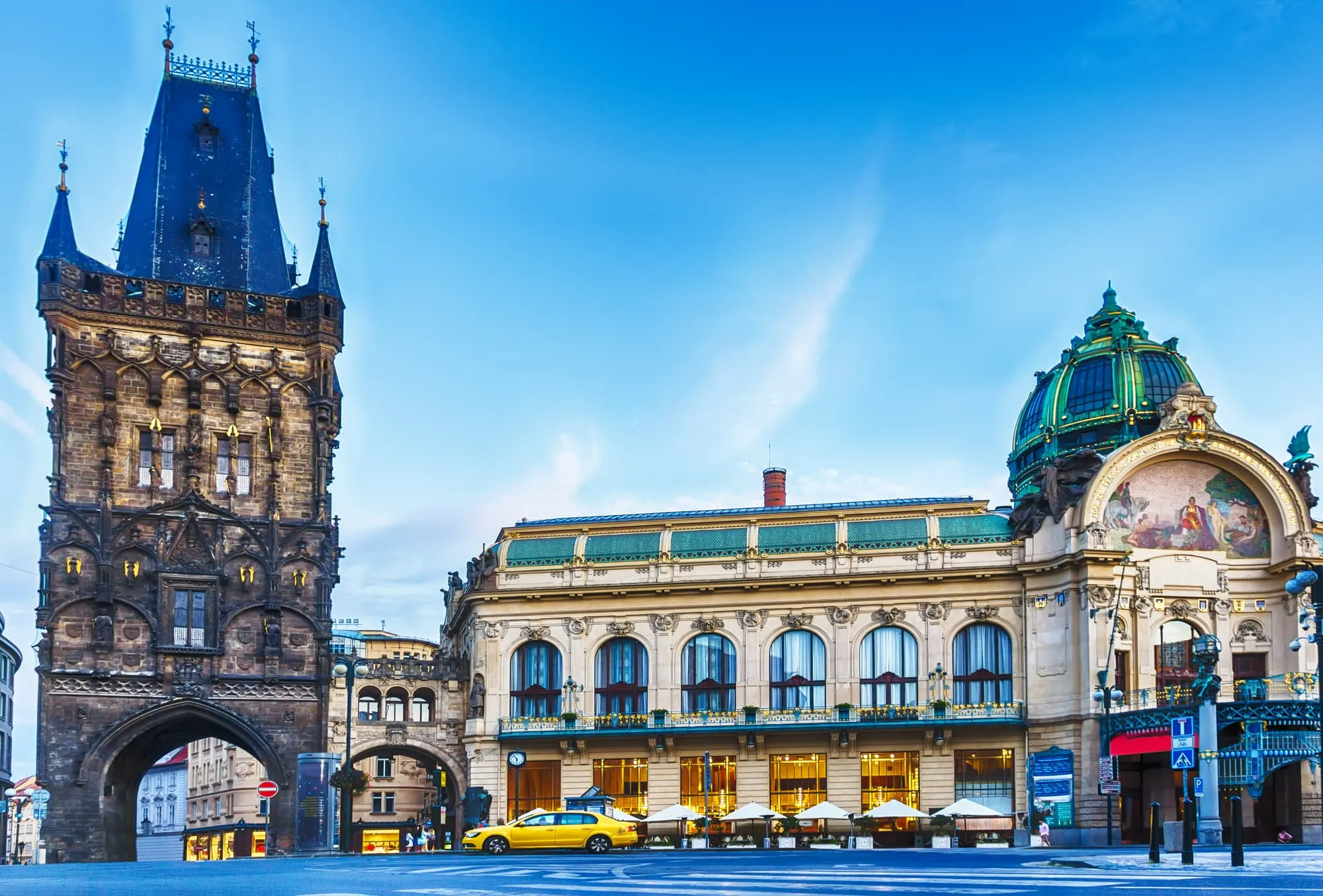
Prague’s cultural calendar gives visitors many ways to encounter the city beyond monuments. Classical concerts in historic venues, seasonal markets, design events, literary festivals, and open-air performances all reveal different faces of local life. Depending on timing, your pass itinerary can naturally pair landmark visits with evening cultural experiences, creating days that feel both educational and emotionally vivid.
Even outside major events, Prague’s daily rituals are quietly memorable: morning bakeries with warm pastries, afternoon river walks, and twilight viewpoints where church bells echo across rooftops. These moments are not separate from heritage—they are how heritage is lived. A well-paced pass itinerary leaves room for them, turning sightseeing from a checklist into a richer conversation with the city.
Using your pass with smart timing
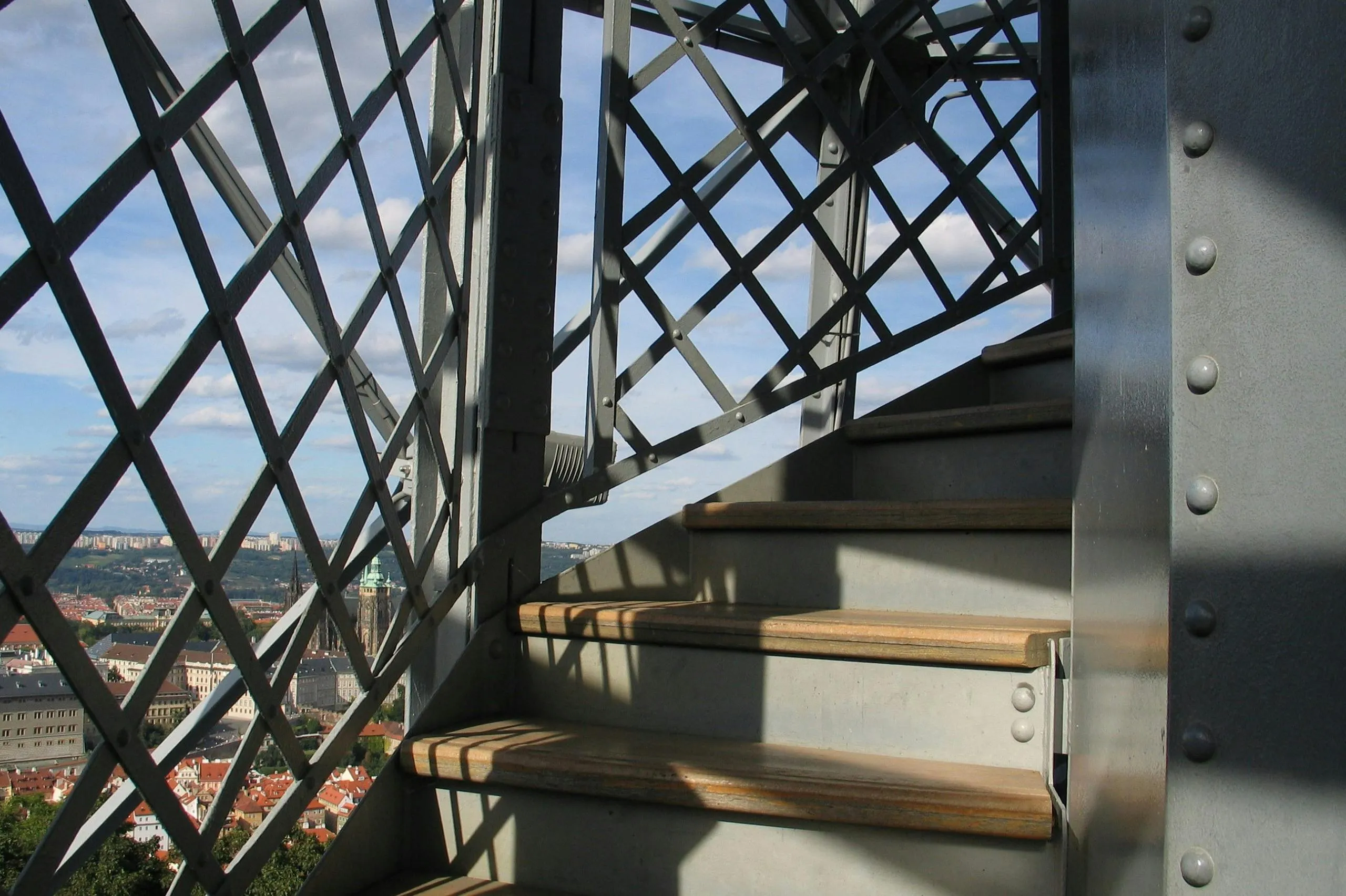
The difference between an average and excellent pass experience is usually timing. Start by identifying your non-negotiable attractions, then organize them by neighborhood to reduce backtracking. Reserve high-demand or larger sites for early slots, and keep smaller museums or flexible walks for later in the day. This approach protects your energy and increases the number of meaningful visits you can comfortably enjoy.
Also pay attention to validity logic: some passes count from first activation hour, while others follow calendar-day rules. Understanding this detail helps avoid accidental time loss. If your pass includes optional tours or river activities, place them deliberately where they complement—not interrupt—your route. Good planning does not make the trip rigid; it creates a structure that gives you more freedom where it matters.
Heritage protection in a living city
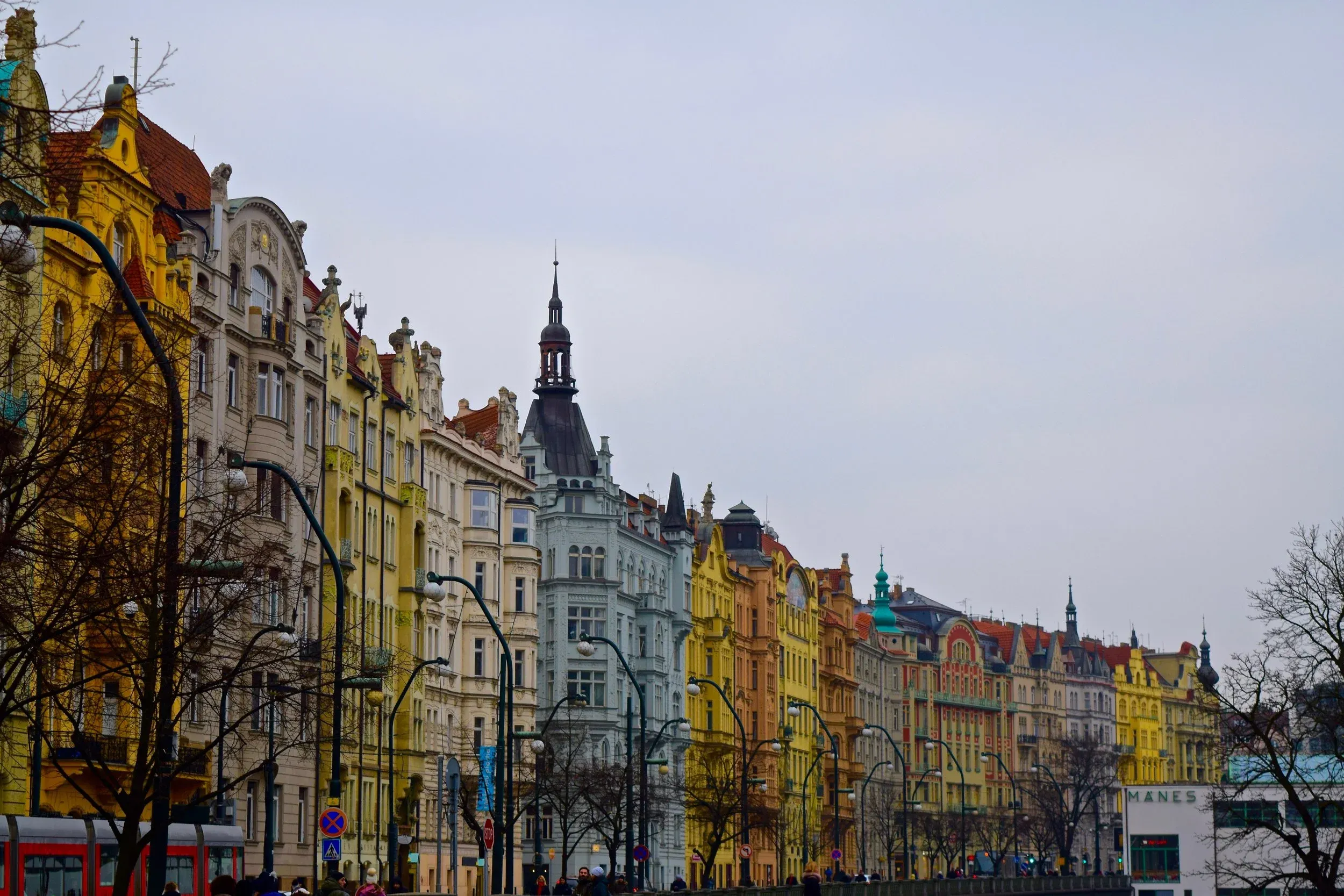
Prague’s beauty depends on continuous restoration, careful regulation, and public commitment. Facades are cleaned, roofs repaired, frescoes stabilized, and structural reinforcements applied so that fragile historic fabric can survive modern pressures. Tourism brings essential resources but also increased wear, which makes respectful visitor behavior and well-managed flows increasingly important.
Using official pass channels and authorized entries supports institutions tasked with conservation and interpretation. Equally important is everyday visitor etiquette: respecting restricted areas, moderating noise in residential lanes, and engaging local businesses thoughtfully. In this sense, a city pass is more than a discount tool—it can become part of a responsible travel model that helps keep Prague authentic, legible, and welcoming for future generations.
Scenic detours and panoramic viewpoints
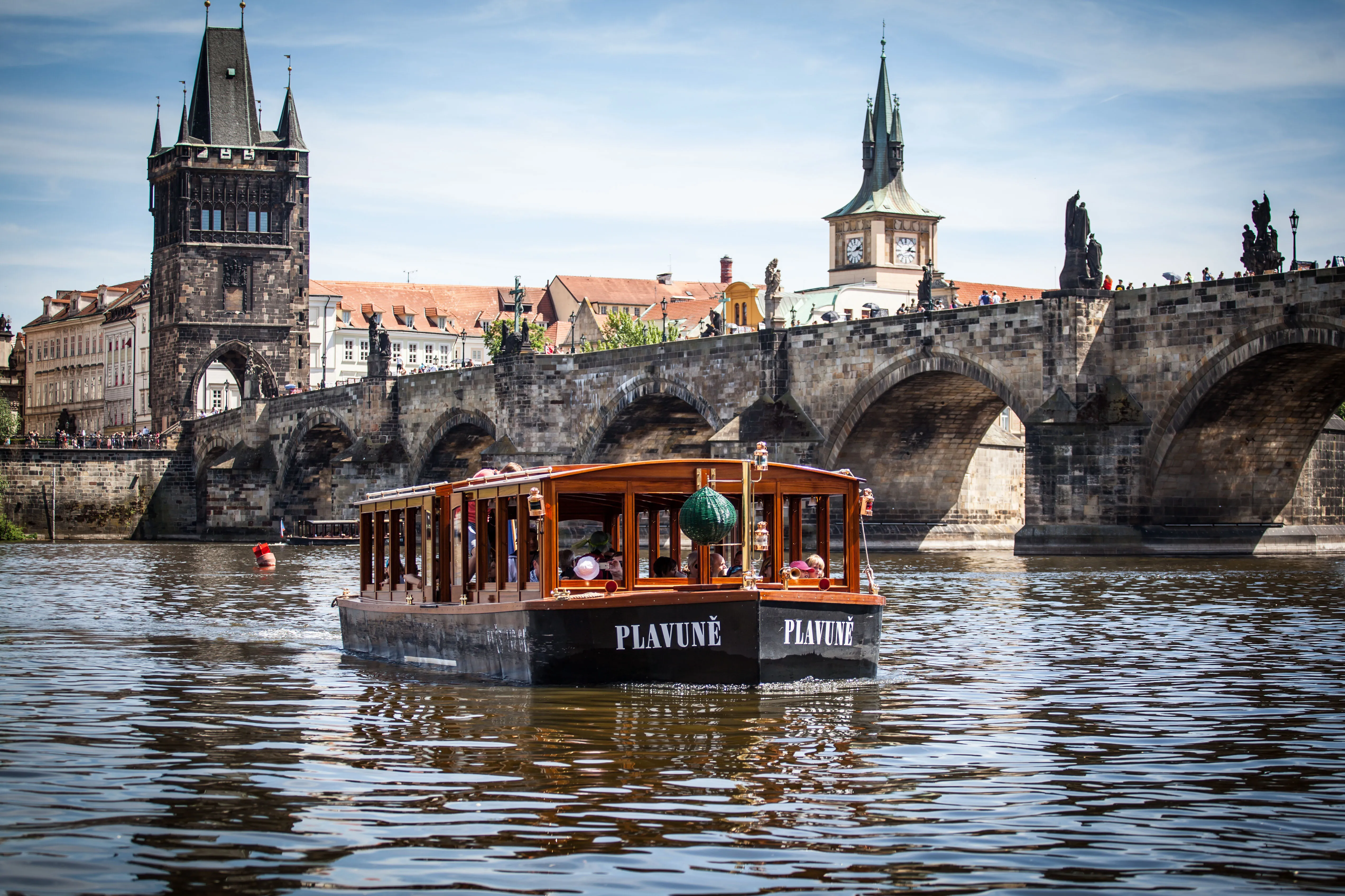
Many visitors use the city pass for flagship landmarks, but Prague also rewards short scenic detours. Hilltop gardens, riverside embankments, quieter church interiors, and neighborhood viewpoints can add breathing space between major attractions. These moments help you absorb the city’s texture rather than rushing from one headline site to the next.
If your pass includes a cruise or river component, consider using it later in the day: water-level views at sunset can reframe everything you saw from streets and towers earlier. You begin to understand Prague not as isolated monuments, but as a connected urban landscape shaped by elevation, river flow, and centuries of adaptation. That perspective is one of the most satisfying rewards of a well-used pass.
Why Prague rewards slow exploration
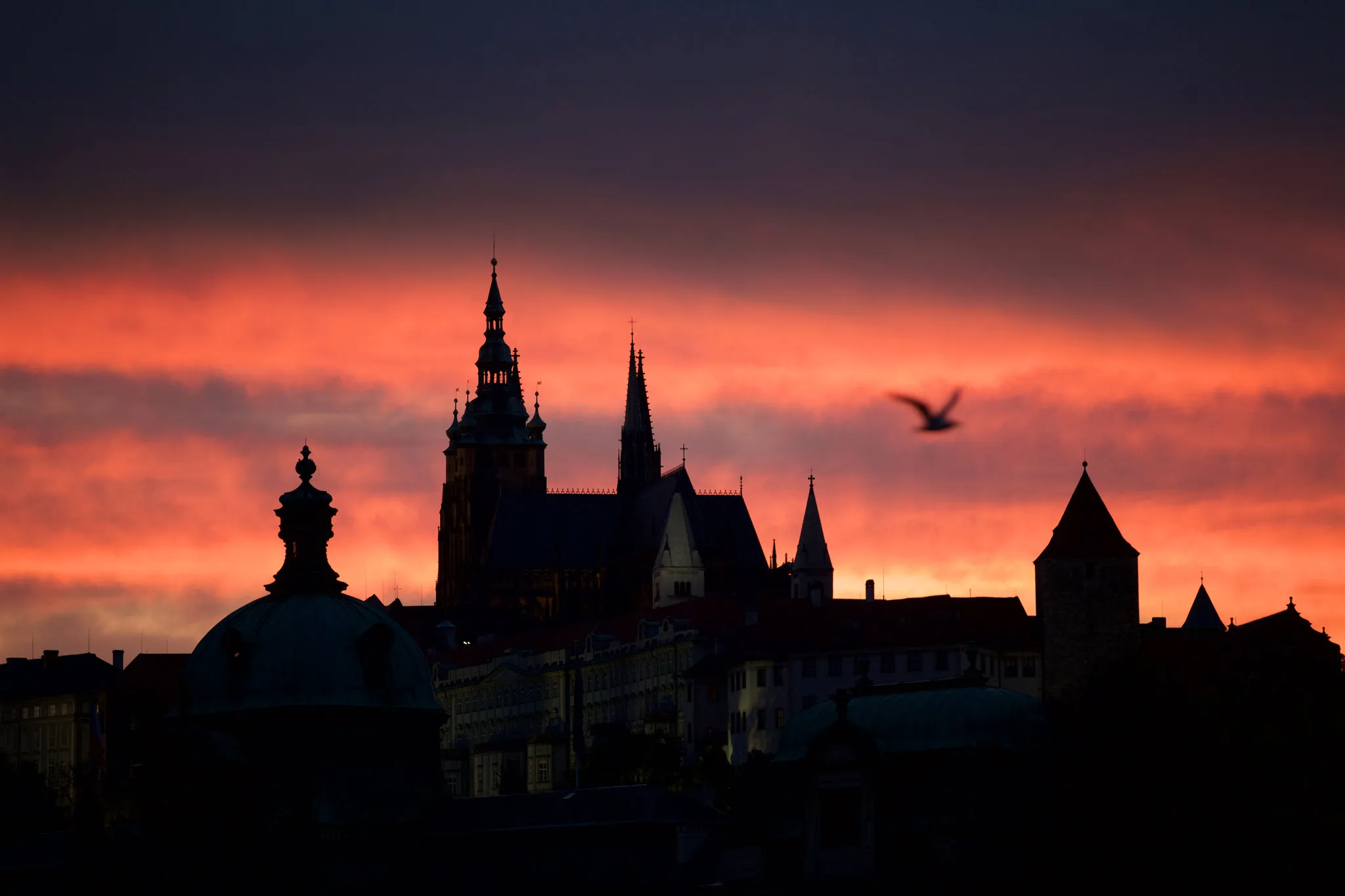
On paper, a city pass looks like a practical bundle of entries. In Prague, it can become something deeper: a framework for seeing how architecture, memory, and everyday life constantly overlap. One hour you are inside a cathedral that witnessed dynastic ambition; the next, you are in a neighborhood café where students discuss design, politics, and weekend plans. The transitions are seamless, and that is precisely the point.
By the end of your visit, the value of the pass is not only financial. It is narrative. It helps you connect districts that might otherwise feel separate, and it encourages the kind of pace that reveals details: carved portals, hidden courtyards, shifting light over the river, and the subtle mood changes between morning and evening streets. Prague’s story is not consumed in one iconic photo—it is assembled gradually, and the right pass can help you experience that story with clarity and pleasure.
Table of Contents
From early settlement to royal city
Long before the city’s spires became one of Europe’s most recognizable skylines, the area around the Vltava River was already a strategic and human crossroads. Traders moved through these valleys, small settlements formed along defensible ridges, and river crossings slowly shaped the geography of power. By the early medieval period, Prague had become more than a local settlement: it was turning into a political and spiritual center connected to wider Central European networks of commerce, faith, and dynastic ambition.
As the Přemyslid rulers consolidated authority and fortified key hilltops, Prague began its long transformation into a royal city with continental influence. Markets expanded, craft districts multiplied, and churches anchored social life. The origins of today’s pass-worthy landmarks can be traced back to this era, when urban identity was built piece by piece through masonry, ritual, and trade. Even now, as visitors move between attractions with modern digital passes, they are effectively retracing routes first shaped by medieval priorities: control of river access, ceremonial prominence, and the practical need to connect neighborhoods divided by terrain.
Prague Castle and the seat of power
Prague Castle is not just a single monument; it is a layered institutional landscape where religion, monarchy, and statecraft have interacted for centuries. As you pass through its gates, you enter a complex that has served dukes, kings, emperors, and presidents. The soaring vertical lines of St. Vitus Cathedral express both devotion and political ambition, while surrounding palaces, chapels, and administrative buildings reveal how authority adapted from feudal rule to modern governance.
For visitors using a city pass, this district often becomes the emotional anchor of the trip. The transition from busy tram stops to quieter stone courtyards is striking: ceremonial spaces open into intimate corners, and viewpoints suddenly reveal the entire city spread below in red rooftops and church towers. It is easy to feel that Prague’s historical timeline is compressed into one walk—medieval fortification, Renaissance refinement, Baroque additions, and contemporary civic symbolism coexisting in one coherent setting.
Old Town squares, trade and identity
The Old Town developed as Prague’s mercantile and civic heart, where trade, guilds, and municipal authority created a dense urban fabric that still structures the visitor experience today. In and around Old Town Square, commerce was never only economic; it was social theater. Market activity, public announcements, religious processions, and political statements unfolded in the same shared space, making the square a stage where everyday life and high history continuously overlapped.
As you move between landmarks included in many city pass itineraries, look beyond postcard beauty and notice the practical intelligence of the district: narrow lanes designed for movement and defense, mixed-use facades that housed families above workshops, and networked passages connecting trade routes to river crossings. Today’s cafés and boutiques occupy spaces that once hosted medieval merchants and early modern artisans, giving Prague a rare continuity where heritage feels inhabited rather than frozen.
Charles Bridge and river connections
Charles Bridge is both infrastructure and icon: a durable medieval crossing that became one of Europe’s most storied urban passages. Built to replace older river crossings and strengthen connections between key districts, it enabled trade, pilgrimage, administration, and military movement across the Vltava. Over time, statues and towers transformed this practical route into a ceremonial promenade, where spirituality, craftsmanship, and civic pride became materially visible.
For modern travelers, the bridge still functions as Prague’s connective tissue. Crossing it with a city pass itinerary in mind naturally links castle visits, Old Town explorations, and riverside detours. At sunrise, the stonework and skyline can feel almost theatrical; later in the day, musicians, artists, and multilingual conversations create a distinctly contemporary layer. The result is a place where medieval engineering and present-day cultural exchange continue to serve the same purpose: bringing people and stories together.
Baroque beauty and Habsburg legacy
The Baroque era reshaped Prague after periods of religious and political upheaval, leaving behind a cityscape of dramatic domes, expressive facades, and richly ornamented interiors. Under Habsburg influence, architecture became a tool of persuasion and prestige: churches projected theological authority, palaces encoded noble identity, and urban space itself communicated order. Many attractions favored by pass users today owe their visual character to this era’s theatrical confidence.
Yet beneath the grandeur lies an urban continuity that feels surprisingly human in scale. Baroque interventions did not erase older Prague; they layered over Gothic and Romanesque foundations, creating the city’s signature visual dialogue across centuries. This is why a single walk can move from austere medieval stone to exuberant stucco within minutes. For visitors, that contrast is one of Prague’s greatest pleasures—and one reason city-pass itineraries reward slower pacing and close observation.
National revival and modern urban life
From the 19th century onward, Prague became a focal point of Czech cultural revival, language identity, and intellectual energy. New institutions, theaters, museums, and civic projects helped express a modern national consciousness while still rooted in older urban forms. Districts such as New Town and key boulevards evolved into stages for political gatherings, student movements, and public celebrations that shaped modern Czech society.
Today, this legacy is visible in Prague’s daily rhythm: historic architecture frames contemporary cafés, galleries, design shops, and universities, while public spaces host both commuters and visitors. A city pass itinerary that includes both monumental heritage and modern cultural stops captures this dual identity well. Prague is not a museum city trapped in nostalgia; it is a lived capital where history continues to interact with creative, civic, and entrepreneurial life.
War, resilience and democratic rebirth
The 20th century tested Prague repeatedly: empire collapse, occupation, authoritarian control, and eventually democratic transition all left marks on institutions and memory. Yet the city’s core neighborhoods remained places where ordinary life persisted—schools opened, trams ran, families gathered, artists worked, and civic language adapted. This resilience is part of what visitors sense today, even when they are simply moving between attractions.
Key sites across Prague silently reference these chapters, from memorial spaces to civic squares associated with protest and renewal. Including them in a city pass itinerary adds emotional depth to a trip that might otherwise focus only on architecture. Prague’s beauty is undeniable, but its historical gravity is equally important: the city teaches how culture can survive turbulence and how public space can become a platform for dignity, courage, and democratic aspiration.
Culture, crowds and practical access
Prague’s popularity is part of its charm, but it also means thoughtful planning matters. Crowds concentrate around Old Town Square, Charles Bridge, and castle entrances during peak midday hours, especially from late spring through early autumn. Using a city pass strategically—starting earlier, grouping nearby sites, and reserving heavier indoor visits for busy periods—can transform your experience from rushed to rewarding.
Accessibility varies by neighborhood and venue. Many major attractions provide support options, yet historic street surfaces, stairs, and heritage-protected entrances can still present challenges. The best approach is to pre-check each priority site, map gentler routes between districts, and keep a flexible daily structure. That way, your itinerary remains inclusive, realistic, and enjoyable without sacrificing the city’s most meaningful highlights.
Festivals, music and local traditions
Prague’s cultural calendar gives visitors many ways to encounter the city beyond monuments. Classical concerts in historic venues, seasonal markets, design events, literary festivals, and open-air performances all reveal different faces of local life. Depending on timing, your pass itinerary can naturally pair landmark visits with evening cultural experiences, creating days that feel both educational and emotionally vivid.
Even outside major events, Prague’s daily rituals are quietly memorable: morning bakeries with warm pastries, afternoon river walks, and twilight viewpoints where church bells echo across rooftops. These moments are not separate from heritage—they are how heritage is lived. A well-paced pass itinerary leaves room for them, turning sightseeing from a checklist into a richer conversation with the city.
Using your pass with smart timing
The difference between an average and excellent pass experience is usually timing. Start by identifying your non-negotiable attractions, then organize them by neighborhood to reduce backtracking. Reserve high-demand or larger sites for early slots, and keep smaller museums or flexible walks for later in the day. This approach protects your energy and increases the number of meaningful visits you can comfortably enjoy.
Also pay attention to validity logic: some passes count from first activation hour, while others follow calendar-day rules. Understanding this detail helps avoid accidental time loss. If your pass includes optional tours or river activities, place them deliberately where they complement—not interrupt—your route. Good planning does not make the trip rigid; it creates a structure that gives you more freedom where it matters.
Heritage protection in a living city
Prague’s beauty depends on continuous restoration, careful regulation, and public commitment. Facades are cleaned, roofs repaired, frescoes stabilized, and structural reinforcements applied so that fragile historic fabric can survive modern pressures. Tourism brings essential resources but also increased wear, which makes respectful visitor behavior and well-managed flows increasingly important.
Using official pass channels and authorized entries supports institutions tasked with conservation and interpretation. Equally important is everyday visitor etiquette: respecting restricted areas, moderating noise in residential lanes, and engaging local businesses thoughtfully. In this sense, a city pass is more than a discount tool—it can become part of a responsible travel model that helps keep Prague authentic, legible, and welcoming for future generations.
Scenic detours and panoramic viewpoints
Many visitors use the city pass for flagship landmarks, but Prague also rewards short scenic detours. Hilltop gardens, riverside embankments, quieter church interiors, and neighborhood viewpoints can add breathing space between major attractions. These moments help you absorb the city’s texture rather than rushing from one headline site to the next.
If your pass includes a cruise or river component, consider using it later in the day: water-level views at sunset can reframe everything you saw from streets and towers earlier. You begin to understand Prague not as isolated monuments, but as a connected urban landscape shaped by elevation, river flow, and centuries of adaptation. That perspective is one of the most satisfying rewards of a well-used pass.
Why Prague rewards slow exploration
On paper, a city pass looks like a practical bundle of entries. In Prague, it can become something deeper: a framework for seeing how architecture, memory, and everyday life constantly overlap. One hour you are inside a cathedral that witnessed dynastic ambition; the next, you are in a neighborhood café where students discuss design, politics, and weekend plans. The transitions are seamless, and that is precisely the point.
By the end of your visit, the value of the pass is not only financial. It is narrative. It helps you connect districts that might otherwise feel separate, and it encourages the kind of pace that reveals details: carved portals, hidden courtyards, shifting light over the river, and the subtle mood changes between morning and evening streets. Prague’s story is not consumed in one iconic photo—it is assembled gradually, and the right pass can help you experience that story with clarity and pleasure.